





Advantages of DDI (Dimeryl Diisocyanate) blended with HTPB versus MDI, TDI, IPDI
Key Takeaways
- DDI and HTPB offer lower toxicity and safer handling compared to MDI, TDI, and IPDI, making your work environment healthier.
- These materials provide excellent mechanical strength and durability, ensuring your products resist cracking and breaking under stress.
- DDI and HTPB have superior hydrolytic stability, allowing your products to maintain their strength and flexibility even in harsh conditions.
Comparative Overview: DDI (Dimeryl Diisocyanate) CAS NO. 68239-06-5; HTPB Hydroxyl-terminated polybutadiene CAS 69102-90-5 vs. MDI, TDI, IPDI
Chemical and Physical Properties
You can see clear differences when you compare the main chemical and physical properties of these materials. The table below helps you understand how each option stands out:
| Chemical | Molecular Weight | Isocyanate Content (%) | Hydrolysable Chlorine (%) | Steam Pressure (mmHg) | Melting Point (°C) | Toxicity |
|---|---|---|---|---|---|---|
| DDI | 600 | 13.6 ~ 15.2 | <0.05 | <0.001 (25°C) | -34.4 | low toxicity |
| IPDI | 222.2 | 37.8 | 0.02 | 0.003 (20°C) | -60 | middle toxicity |
| TDI | 174 | 48.3 | 0.01 | 0.042 (20°C) | 5 ~ 6.5 | highly toxicity |
| MDI | 250.26 | 33.6 | 0.05 | - | 38 | middle toxicity |
You notice that DDI (Dimeryl Diisocyanate) CAS NO. 68239-06-5; HTPB Hydroxyl-terminated polybutadiene CAS 69102-90-5 has a much lower toxicity than the others. It also has a higher molecular weight and very low steam pressure, which means safer handling for you.
Application Versatility
You want a material that works in many industries. DDI (Dimeryl Diisocyanate) CAS NO. 68239-06-5; HTPB Hydroxyl-terminated polybutadiene CAS 69102-90-5 gives you more flexibility, better hydrolytic stability, and a wider application range than MDI, TDI, or IPDI. The table below shows how these materials compare:
| Property | DDI (with HTPB) | MDI/TDI/IPDI |
|---|---|---|
| Flexibility | Enhanced | Moderate |
| Hydrolytic Stability | Superior | Varies |
| Processing Safety | High | Moderate |
| Toxicity | Lower | Higher |
| Application Range | Wide | Limited |
You can use DDI (Dimeryl Diisocyanate) CAS NO. 68239-06-5; HTPB Hydroxyl-terminated polybutadiene CAS 69102-90-5 in many products, such as:
- Rigid and flexible foams
- Coatings
- Adhesives
- Sealants
- Elastomers
- Apparel
- Appliances
- Automotive parts
- Electronics
- Medical devices
You get more choices and safer processing when you choose this combination for your projects.
Performance Data: DDI (Dimeryl Diisocyanate) CAS NO. 68239-06-5; HTPB Hydroxyl-terminated polybutadiene CAS 69102-90-5
Mechanical Strength and Durability
You want your materials to last and perform under stress. When you use DDI (Dimeryl Diisocyanate) CAS NO. 68239-06-5; HTPB Hydroxyl-terminated polybutadiene CAS 69102-90-5, you get polyurethane products that show excellent mechanical strength. These materials resist cracking and breaking, even when you bend or stretch them. In durability tests, DDI-based blends keep their shape and strength longer than those made with MDI, TDI, or IPDI. You can trust these materials for parts that need to handle heavy loads or repeated use. This means fewer failures and less maintenance for your projects.
You get peace of mind knowing your products will stand up to tough conditions and daily wear.
Curing Behavior and Processing Window
You need a material that is easy to work with during production. DDI (Dimeryl Diisocyanate) CAS NO. 68239-06-5; HTPB Hydroxyl-terminated polybutadiene CAS 69102-90-5 gives you a wide processing window. This means you have more time to mix, pour, and shape the material before it sets. The curing process happens at a steady rate, so you get consistent results every time. You do not have to rush or worry about the material hardening too quickly. This makes your work easier and helps you avoid mistakes. You can create both small and large parts with confidence.
Long-Term Stability and Environmental Resistance
You want your products to last, even in harsh environments. DDI-based polyurethane stands out for its long-term stability. It resists water and keeps its strength over time. The table below shows how DDI-based polyurethane compares to conventional polyurethane:
| Material Type | Hydrolytic Stability | Water Absorption | Mechanical Property Retention |
|---|---|---|---|
| DDI-based Polyurethane | Superior | Low | High |
| Conventional Polyurethane | Inferior | High | Low |
You see that DDI-based polyurethane absorbs less water and keeps its mechanical properties much better. This means your products will not weaken or break down when exposed to moisture or chemicals.
When you compare DDI (Dimeryl Diisocyanate) blended with HTPB to MDI, TDI, and IPDI, you find even more benefits. DDI-based blends show better resistance to harsh conditions. They stay flexible and strong, even when exposed to water, heat, or chemicals. You get materials that last longer and perform better in demanding environments. This makes them a smart choice for outdoor, automotive, and industrial uses.
You can rely on DDI-based polyurethane to protect your investment and deliver long-lasting results.
Safety and Handling: DDI (Dimeryl Diisocyanate) CAS NO. 68239-06-5; HTPB Hydroxyl-terminated polybutadiene CAS 69102-90-5
Toxicity and Health Risks
You want to know how safe your materials are. When you compare DDI, IPDI, TDI, and MDI, you see clear differences in toxicity and health risks. The table below helps you understand these differences:
| Chemical | Toxicity Level | Health Risk |
|---|---|---|
| DDI | Low toxicity | Less risk from inhalation, less odor |
| IPDI | Middle toxicity | Moderate health risks |
| TDI | Highly toxicity | Significant health risks |
| MDI | Middle toxicity | Moderate health risks |
You see that DDI has a lower toxicity level than the others. This means you face less risk from inhaling fumes or dealing with strong odors. DDI’s high molecular weight and low vapor pressure make your work environment safer and more pleasant.
However, you should still handle all isocyanates with care. These chemicals can cause health problems if you swallow or inhale them. You may experience allergic reactions, eye irritation, or breathing problems. Some people may get asthma or skin allergies from contact. Always wear gloves, goggles, and a mask when you work with these materials.
Tip: Even though DDI is safer, you should never skip safety gear or ignore warning labels.
Environmental Impact and Compliance
You care about the environment and want to follow the rules. DDI (Dimeryl Diisocyanate) CAS NO. 68239-06-5; HTPB Hydroxyl-terminated polybutadiene CAS 69102-90-5 helps you meet strict safety and environmental standards. DDI’s low vapor pressure means fewer harmful gases escape into the air. This reduces air pollution and helps you keep your workplace clean.
You should always follow local and national guidelines for handling and disposing of chemicals. Use air monitoring tools to check for safe levels in your workspace. OSHA standards help you keep your team safe. Proper sampling and testing make sure you stay within legal limits.
Note: Following safety and environmental rules protects your workers and the planet.
Storage and Transportation
You want your materials to stay safe during storage and transport. Keep HTPB away from strong oxidizers, rain, and sunlight. Store it in a cool, dry place. Make sure containers stay tightly closed to prevent leaks or spills.
When you move DDI or HTPB, use proper labeling and secure packaging. Always follow safety guidelines. Check that your storage area has good ventilation. Train your team to handle emergencies, such as spills or exposure.
- Store chemicals in original containers.
- Keep away from heat and direct sunlight.
- Use spill kits and emergency showers nearby.
- Inspect containers for damage before moving.
Remember: Careful storage and transport keep your materials safe and your team protected.
Cost and Practical Benefits: DDI (Dimeryl Diisocyanate) CAS NO. 68239-06-5; HTPB Hydroxyl-terminated polybutadiene CAS 69102-90-5
Material and Processing Costs
You want to keep your costs low while getting high-quality results. DDI (Dimeryl Diisocyanate) CAS NO. 68239-06-5; HTPB Hydroxyl-terminated polybutadiene CAS 69102-90-5 stands out because of its unique properties and cost structure. DDI has a molecular weight of 600 and low toxicity, making it safer and easier to handle than MDI, TDI, or IPDI. HTPB comes in several grades, each with different prices and viscosities. You can see the price differences in the table below:
| Grade | Molecular Weight (g/mol) | Viscosity (cP) | Price per Ton (USD) | Availability (in Stock) |
|---|---|---|---|---|
| HTPB 1300 | 1300 | 1200 | 2500 | 500 Tons |
| HTPB 1800 | 1800 | 800 | 3000 | 300 Tons |
| HTPB 2200 | 2200 | 600 | 3500 | 200 Tons |
| HTPB 2500 | 2500 | 500 | 4000 | 150 Tons |
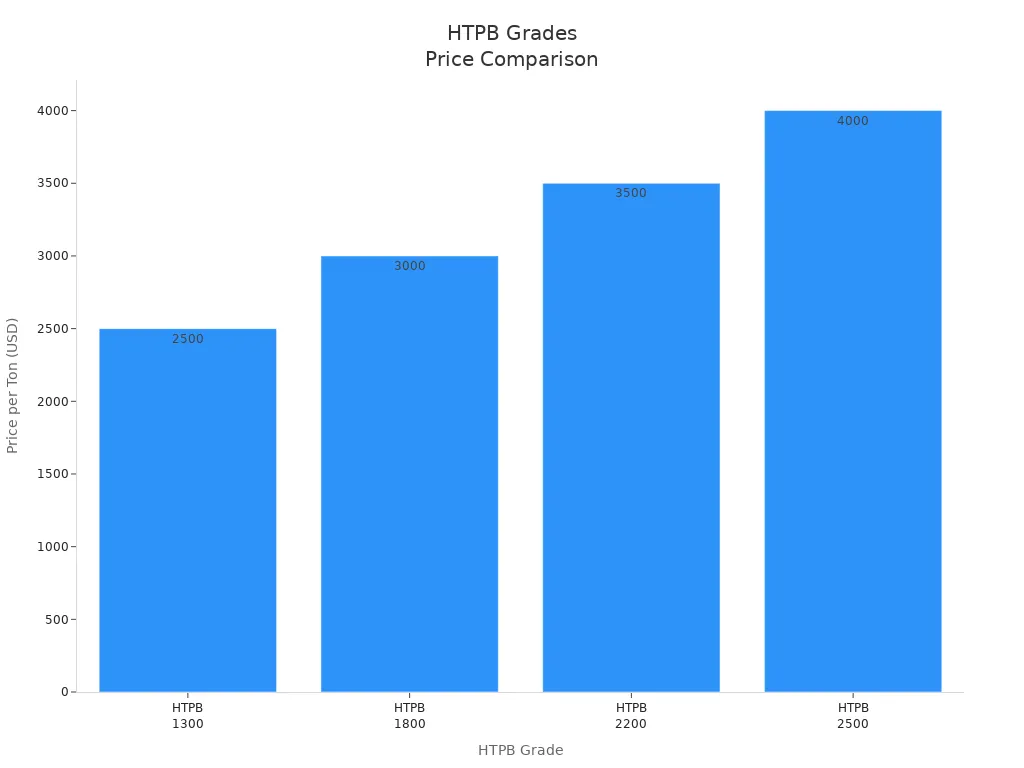
You can choose the grade that fits your budget and needs. Lower toxicity also means you spend less on safety equipment and ventilation.
Supply Chain Reliability
You need materials that are easy to find and always available. DDI gives you flexibility and low toxicity, which helps you meet safety rules. Its long-chain structure improves water resistance and works well with many polymers. HTPB offers strong and reliable bonds for adhesives, sealants, and potting compounds. You get lasting flexibility and protection against cracks and leaks. High stock levels for HTPB grades mean you can order what you need without delays.
- DDI and HTPB both support steady production.
- You avoid shortages and keep your projects on schedule.
Operational Efficiency
You want your work to go smoothly. HTPB-based adhesives give you almost three times higher shear strength and up to 240% more tensile strength than other options. These adhesives resist stress from the environment, so you can use them in aerospace, automotive, and construction. They stay flexible and strong, even when conditions change. You spend less time on repairs and replacements.
Choosing these materials helps you save money, avoid delays, and get better results for every project.
Expert Quotes: DDI (Dimeryl Diisocyanate) CAS NO. 68239-06-5; HTPB Hydroxyl-terminated polybutadiene CAS 69102-90-5
Polymer Chemist Insights
You can learn a lot from what polymer chemists say about these materials. They often point out the unique features that set DDI (Dimeryl Diisocyanate) CAS NO. 68239-06-5; HTPB Hydroxyl-terminated polybutadiene CAS 69102-90-5 apart from other options. Here are some highlights chemists share:
- DDI has lower toxicity than MDI, TDI, and IPDI. You get a safer work environment.
- DDI shows strong hydrolytic stability. Your products last longer, even in wet or harsh conditions.
- DDI gives you better flexibility. This means your finished products can bend and move without breaking.
- HTPB stands out for its strong adhesive properties. You get bonds that hold up better than those made with traditional isocyanates.
- HTPB helps you create reliable adhesives for many uses.
When you choose these materials, you benefit from both safety and performance.
Industrial User Testimonials
You can see how real users feel about these products. Their feedback shows how DDI (Dimeryl Diisocyanate) CAS NO. 68239-06-5; HTPB Hydroxyl-terminated polybutadiene CAS 69102-90-5 performs in the field. Here are some recent testimonials:
| Testimonial | Date |
|---|---|
| The quality is remarkable, and the after-sales service provided by the team was timely and efficient! | 07 May 2025 |
| Absolutely stellar quality! The after-sales service representatives were highly skilled. | 21 May 2025 |
| Great quality product! The support team was outstanding in helping me. | 17 May 2025 |
You can trust these materials to deliver high quality and dependable support. Many users report excellent results and helpful service.
You see real advantages when you choose DDI (Dimeryl Diisocyanate) CAS NO. 68239-06-5; HTPB Hydroxyl-terminated polybutadiene CAS 69102-90-5. Experts highlight strong bonds, high toughness, and better performance.
| Property/Benefit | DDI (with HTPB) | MDI/TDI/IPDI |
|---|---|---|
| Bond Strength | Strong bonds inside the polymer | Weaker bonds |
| Toughness | More reliable and durable | Less durable |
| Performance | Resists breaking under stress | Prone to breaking |
You get safer handling and long-term value.
FAQ
What makes DDI safer than MDI, TDI, or IPDI?
You get lower toxicity and less vapor with DDI. This means you work in a safer environment and face fewer health risks.
Can you use DDI and HTPB in outdoor products?
- Yes, you can. DDI and HTPB resist water and weather. Your products stay strong and flexible outside.
How do you store DDI and HTPB safely?
You keep them in cool, dry places. You use original containers and check for leaks. You avoid sunlight and heat.