



A Guide to Harnessing Synthetic Capsaicin for Sustainable Pest Control
Key Takeaways
- Synthetic capsaicin (Nonivamide) is a powerful, eco-friendly solution for pest control, reducing reliance on harmful chemical pesticides.
- To use synthetic capsaicin effectively, prepare a high-purity solution and apply it during optimal weather conditions for best results.
- Combining synthetic capsaicin with other pest management strategies enhances effectiveness and promotes sustainable farming practices.
Application of 98% Synthetic Capsaicin (Nonivamide) in Eco-Friendly Green Biopesticides
What Is Synthetic Capsaicin (Nonivamide)?
You can find synthetic capsaicin, also called Nonivamide, as a white or slightly yellow powder. Scientists create it in the lab to match the spicy compound found in chili peppers. Theorem Chem offers Synthetic Capsaicin (Nonivamide) 98%, which means you get a very pure product. People use it in medicine, agriculture, and even in products that protect wires from rodents. When you use it for pest control, you choose a solution that works well and supports the Application of 98% Synthetic Capsaicin (Nonivamide) in eco-friendly green biopesticides.
How Synthetic Capsaicin Works Against Pests
You can control pests with synthetic capsaicin because it affects insects in several ways. It acts as a repellent and an insecticide. When pests come into contact with it, they experience discomfort and often leave the area. Some insects cannot survive after exposure. The Application of 98% Synthetic Capsaicin (Nonivamide) in eco-friendly green biopesticides relies on these effects to protect crops.
Here is how synthetic capsaicin works:
| Mechanism | Description |
|---|---|
| Toxicity | Capsaicin disrupts metabolism, damages membranes, and causes nervous system dysfunction in insects. |
| Repellency | Capsaicin triggers the release of neuropeptides from sensory nerve fibers, which helps in repelling insects. |
| Insecticide Use | Capsaicin is effective in killing insects as well as repelling them. |
You can see that the Application of 98% Synthetic Capsaicin (Nonivamide) in eco-friendly green biopesticides gives you a strong tool for both repelling and eliminating pests.
Selecting and Preparing the Right Formulation
You should always choose a high-purity product like Synthetic Capsaicin (Nonivamide) 98% from Theorem Chem. This ensures you get the best results. When you prepare your solution, follow these steps for safety and effectiveness:
- Wear nitrile gloves to protect your skin.
- Rinse and chop 2–3 ripe red jalapeño peppers, keeping seeds and ribs.
- Place the chopped peppers in a jar and cover them with distilled water.
- Seal the jar and store it in a cool, dark place for 48 hours. Shake gently twice a day.
- Strain the mixture through cheesecloth and squeeze the pulp to get all the liquid.
- Add half a teaspoon of pure liquid castile soap and stir gently.
- Pour the mixture into a sprayer. Label it and use it within 7 days. Discard if it looks cloudy or smells bad.
You can use this method to support the Application of 98% Synthetic Capsaicin (Nonivamide) in eco-friendly green biopesticides. Always make sure your tools and containers are clean.
Application Methods: Spraying, Soil Treatment, and More
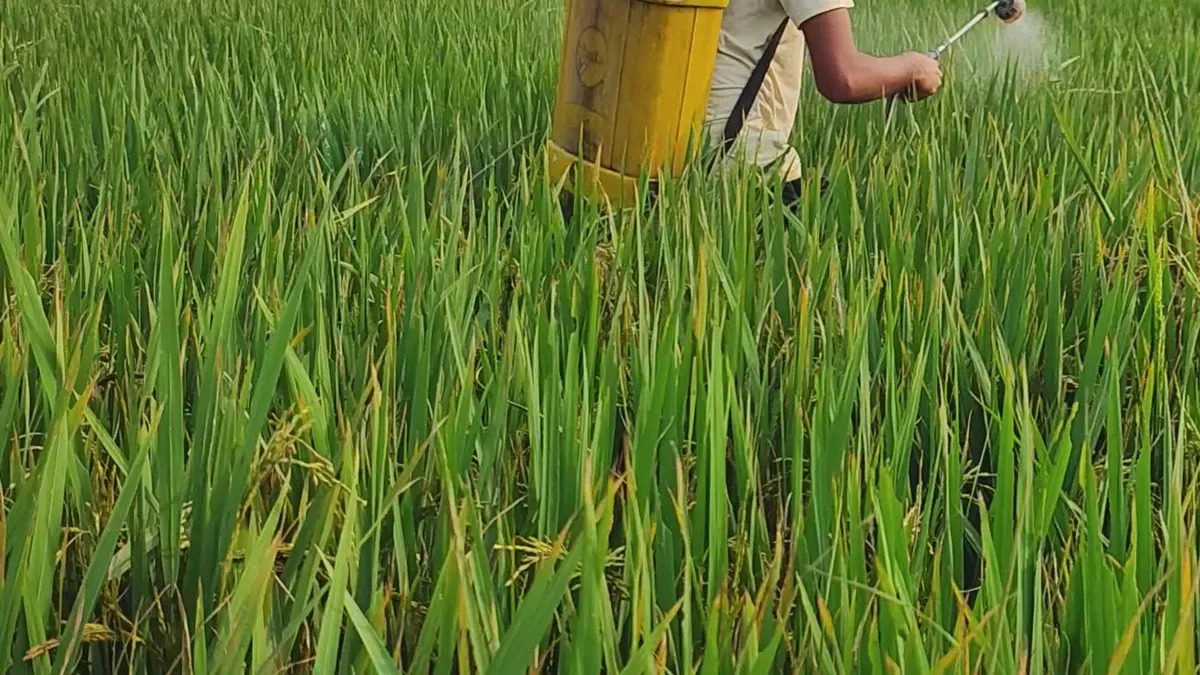
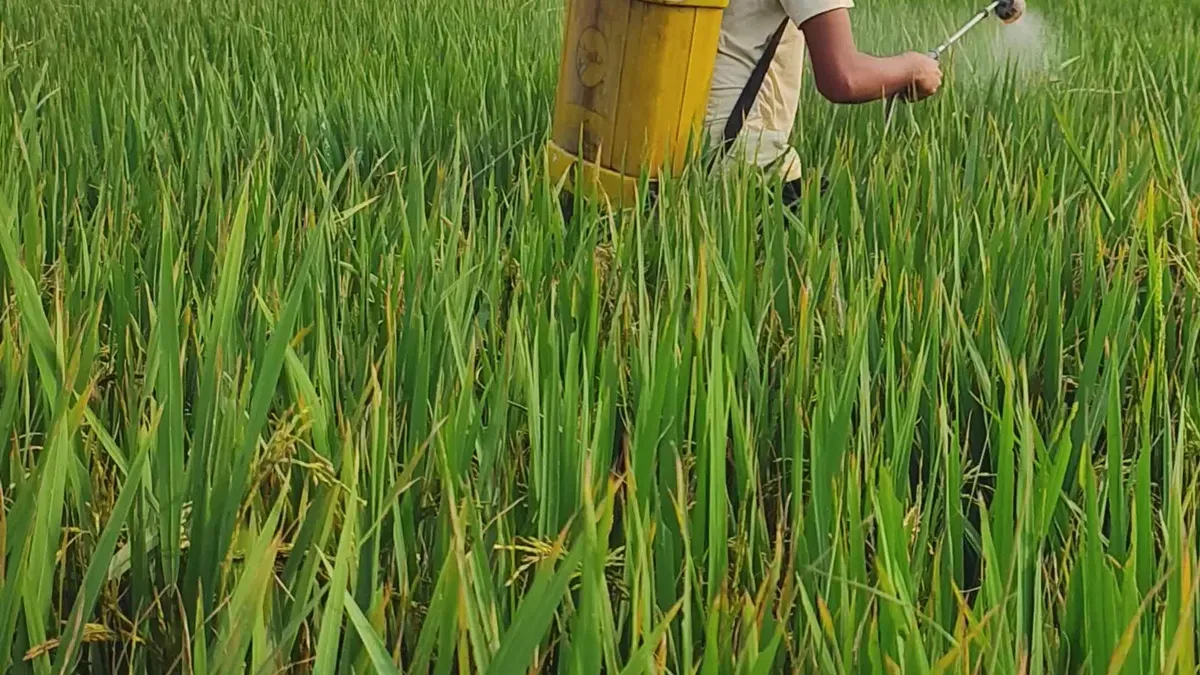
You can apply synthetic capsaicin in several ways. Spraying is the most common method. You should spray early in the morning or late in the evening when temperatures are between 60–75°F and humidity is above 40%. This helps the solution stick to the plants and work better.
- Hold the sprayer nozzle 12–18 inches from the leaves.
- Spray both sides of the leaves until you see runoff.
- Target areas where you see pests, such as clusters of aphids or spider mite webs.
Soil treatment is less common, and there is not much information about its results. Spraying works well for most pests and has a lower environmental impact than many chemical insecticides. The Application of 98% Synthetic Capsaicin (Nonivamide) in eco-friendly green biopesticides helps you protect your crops while caring for the environment.
Tip: Avoid spraying when bees are active. Capsaicin can harm beneficial insects like bees.
Dosage, Frequency, and Monitoring Results
You should use the right amount of synthetic capsaicin for the best results. Studies show that you can deter pests by up to 95% at just 320 ppm. Start with a small area to test the effect. Spray once a week or after heavy rain. Watch your plants for signs of pests and adjust your schedule if needed.
- Check leaves for new damage or pest activity.
- Record your results in a notebook.
- If you see pests returning, repeat the Application of 98% Synthetic Capsaicin (Nonivamide) in eco-friendly green biopesticides.
Safety, Handling, and Environmental Precautions
You must handle synthetic capsaicin with care. It can irritate your skin, eyes, and lungs. Always wear gloves, goggles, and a mask when mixing or spraying. Wash your hands and tools after use. Store the product in a cool, dry place away from sunlight and moisture.
If you get capsaicin on your skin, wash with soap and water. If it gets in your eyes, rinse with plenty of cold water. Keep the product away from children and pets.
The Application of 98% Synthetic Capsaicin (Nonivamide) in eco-friendly green biopesticides gives you a safe and sustainable way to manage pests. You protect your crops and the environment at the same time.
Maximizing Effectiveness and Sustainability in Pest Control
Integrating Synthetic Capsaicin with Other Pest Management Strategies
You can boost pest control by combining synthetic capsaicin with other methods. Integrated pest management (IPM) uses several strategies to keep pests away and protect your crops. You can see some common strategies in the table below:
| Strategy Type | Description |
|---|---|
| Sanitation | Keep your fields clean and remove debris to reduce pest habitats. |
| Resistant Varieties | Plant crops that pests do not like or cannot damage easily. |
| Biological Control | Use helpful insects or organisms to eat or control pests. |
| Biopesticides | Apply natural substances, like synthetic capsaicin, to manage pests. |
| Selective Pesticides | Target only harmful pests and avoid harming good insects. |
You can mix these strategies to create a strong defense. For example, you can use synthetic capsaicin as a biopesticide while planting resistant varieties and keeping your fields clean.
Sustainability Benefits for Agriculture
You help the environment when you use synthetic capsaicin. You reduce the need for harsh chemicals. You protect soil and water from pollution. You also keep beneficial insects safe. This approach supports healthy crops and long-term farming success.
Tip: You can rotate pest control methods to prevent pests from adapting.
Common Challenges and Solutions
You may face some challenges when using synthetic capsaicin. Sometimes pests return or weather washes away the spray. You can solve these problems by monitoring your crops often and reapplying capsaicin after rain. You can also adjust your dosage if you see pests coming back. Keep records to track what works best for your farm.
You can choose synthetic capsaicin for pest control to support eco-friendly farming.
- Select high-quality products and blend with natural extracts for better results.
- Capsaicin breaks down quickly, protects beneficial insects, and reduces costs.
- This approach matches global trends in sustainable agriculture and offers strong growth prospects for the future.
FAQ
How do you store Synthetic Capsaicin (Nonivamide) 98%?
Store the product in a cool, dry place. Keep it away from sunlight and moisture. Always seal the container tightly after use.
Can you mix synthetic capsaicin with other biopesticides?
You can mix it with other natural pest control products. Always test a small area first to check for any plant reactions.
Is synthetic capsaicin safe for pets and children?
- Keep pets and children away from treated areas.
- Synthetic capsaicin can irritate skin and eyes.
- Always follow safety instructions on the label.