



How HTPB Improves Waterproofing, Thermal Insulation and Crack Resistance in Roofing & Flooring Materials
Key Takeaways
- HTPB creates a strong barrier against water, keeping your home dry during storms and preventing leaks.
- Using HTPB improves thermal insulation, helping you save on energy bills by maintaining comfortable indoor temperatures.
- HTPB enhances the durability of roofing and flooring, reducing the need for costly repairs and extending the life of your home.
HTPB (Hydroxyl-terminated polybutadiene) for Waterproofing
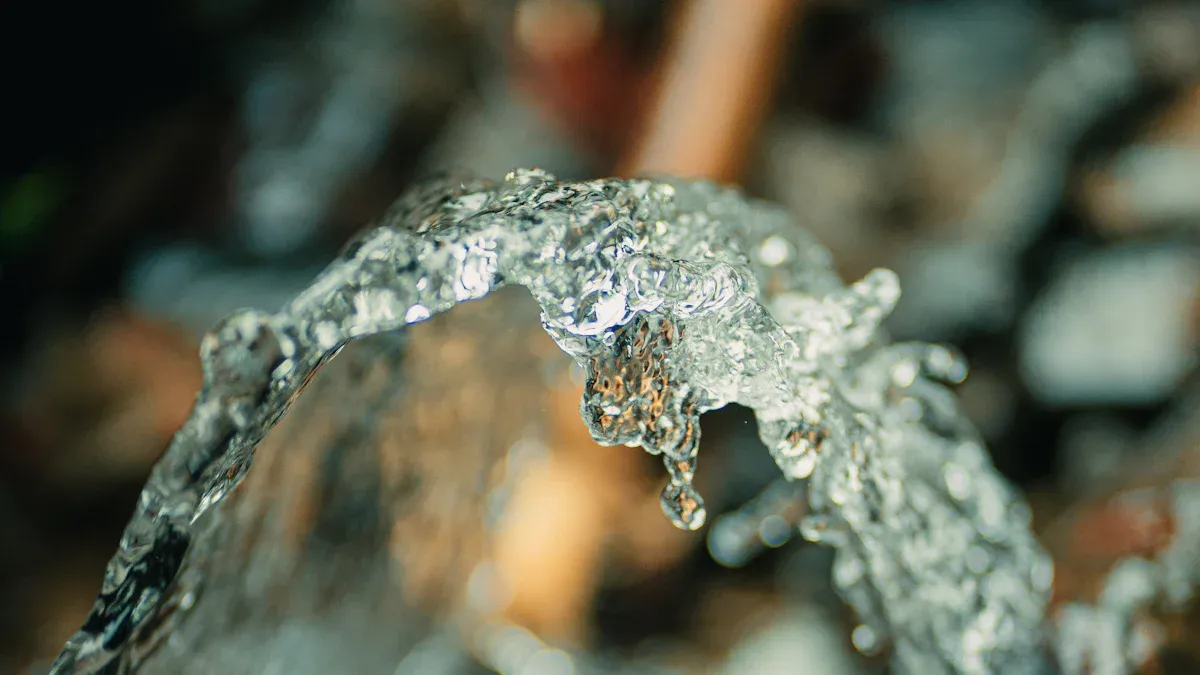
Blocking Water Ingress
You want your home to stay dry during storms and heavy rain. HTPB (Hydroxyl-terminated polybutadiene) helps you achieve this by forming a strong barrier against water. This material works in coatings, sealants, adhesives, and waterproof building materials. You can see how it protects your home in the table below:
| Property | Description |
|---|---|
| Hydrolytic Stability | Excellent resistance to hydrolysis, crucial for waterproofing applications. |
| Moisture Permeability | Low moisture permeability enhances waterproofing effectiveness. |
| Resistance to Acids/Bases | High resistance to aqueous acids and bases supports durability in wet conditions. |
You get reliable protection because HTPB (Hydroxyl-terminated polybutadiene) does not break down easily when exposed to water. You avoid leaks and water damage, even in areas with frequent rain. This material also stands up to harsh chemicals, so your home stays safe in tough conditions.
Tip: You can use HTPB-based sealants in basements, bathrooms, and kitchens to prevent water from seeping through floors and walls.
Real-World Benefits for Local Homes
You see real advantages when you use HTPB (Hydroxyl-terminated polybutadiene) in your home. Many homeowners and contractors report that basement conversions yield one of the highest returns on investment for remodel projects. You can increase your home value with a midrange basement remodel, recouping an average of 90.3% of total construction costs.
- You enjoy a dry basement that stays comfortable year-round.
- You protect your flooring and walls from mold and mildew.
- You save money on repairs because waterproofing lasts longer.
HTPB (Hydroxyl-terminated polybutadiene) gives you peace of mind. You know your home will stay dry, even during heavy storms. You also boost your property value and create a safer living space for your family.
HTPB (Hydroxyl-terminated polybutadiene) and Thermal Insulation
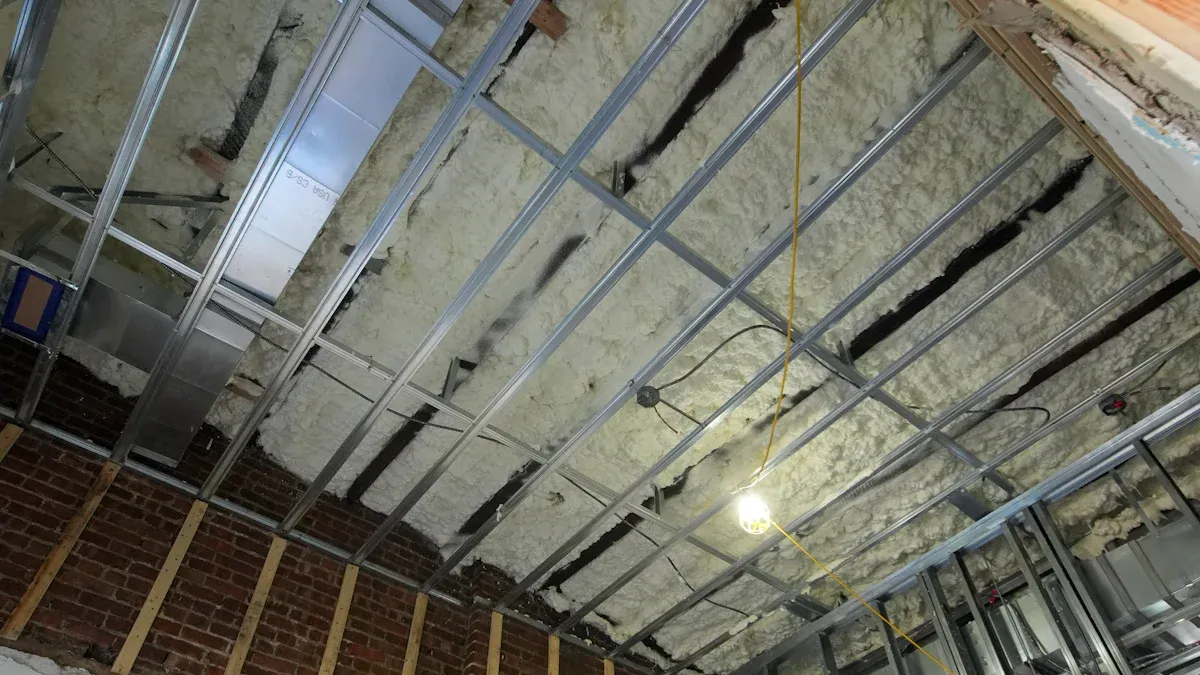
Improving Heat Retention
You want your home to stay warm in winter and cool in summer. HTPB (Hydroxyl-terminated polybutadiene) helps you achieve this by improving the thermal insulation of your roofing and flooring. This material forms a tight seal that keeps heat from escaping through cracks or gaps. You get better heat retention because HTPB (Hydroxyl-terminated polybutadiene) has a low thermal conductivity. This means it slows down the movement of heat, so your home stays at a comfortable temperature for longer.
You can see how HTPB (Hydroxyl-terminated polybutadiene) compares to other common insulation materials:
| Material | Thermal Conductivity (W/m·K) | Heat Retention Quality |
|---|---|---|
| HTPB (Hydroxyl-terminated polybutadiene) | 0.18 | High |
| Fiberglass | 0.04 | Moderate |
| Mineral Wool | 0.04 | Moderate |
| Polyurethane Foam | 0.02 | High |
Note: While some materials have lower thermal conductivity, HTPB (Hydroxyl-terminated polybutadiene) stands out because it also resists moisture and cracking, which helps maintain insulation over time.
Enhancing Energy Efficiency and Comfort
You save energy when your home holds onto heat. HTPB (Hydroxyl-terminated polybutadiene) helps you lower your heating and cooling bills. You do not need to run your furnace or air conditioner as often because your home loses less heat in winter and gains less heat in summer. This means you use less energy and spend less money.
Here are some ways HTPB (Hydroxyl-terminated polybutadiene) boosts your comfort and efficiency:
- You feel fewer drafts and cold spots in your rooms.
- You enjoy steady indoor temperatures, even when the weather changes outside.
- You reduce your carbon footprint by using less energy.
Tip: Ask your contractor about using HTPB (Hydroxyl-terminated polybutadiene) in both your roof and floors for the best results. This can make your whole house more comfortable and energy efficient.
You get a home that feels cozy all year. You also help the environment by using less energy. HTPB (Hydroxyl-terminated polybutadiene) gives you a smart way to improve your living space and save money at the same time.
Crack Resistance with HTPB (Hydroxyl-terminated polybutadiene)
Preventing and Repairing Cracks
You want your home to stay strong and free from cracks. HTPB (Hydroxyl-terminated polybutadiene) helps you achieve this by making roofing and flooring materials more flexible and tough. When you use HTPB, your floors and roofs can handle stress and movement without breaking apart. This means you see fewer cracks, even when your home settles or the weather changes.
Researchers have tested HTPB under different strain conditions. They found that materials with HTPB can last up to 1,000,000 cycles without cracking when there are no weak spots. Even when cracks start to form, HTPB holds up for about 20,000 cycles before showing signs of fatigue. This shows that HTPB gives your home a strong defense against everyday wear and tear.
Tip: You can use HTPB-based repair kits to fix small cracks before they become big problems. This keeps your home looking good and prevents leaks.
Boosting Longevity and Durability
You want your home to last for many years. HTPB (Hydroxyl-terminated polybutadiene) helps you reach this goal by making building materials more durable. Its crack resistance means you do not need to worry about repairs as often. Your roof and floors stay in better shape, even after years of use.
Here are some ways HTPB boosts the life of your home:
- You avoid costly repairs from water damage caused by cracks.
- You keep your home safe from mold and mildew.
- You enjoy a solid, comfortable living space for your family.
HTPB gives you peace of mind. You know your home can handle daily stress and changing weather. With HTPB, you invest in a home that stays strong and beautiful for years to come.
You choose HTPB for roofing and flooring because it keeps your home warm, dry, and strong. HTPB meets EPA, OSHA, and REACH standards, ensuring safety and sustainability. Demand for HTPB grows as builders seek durable, eco-friendly materials. You benefit from reliable protection and a comfortable living space.
FAQ
What makes HTPB different from other waterproofing materials?
You get stronger protection. HTPB resists water, cracks, and chemicals better than many common sealants. You keep your home dry and safe.
Can you use HTPB in both new and old homes?
You can use HTPB for repairs or new construction. It works well in basements, roofs, and floors in any home.
Is HTPB safe for your family and pets?
| Standard | Compliance |
|---|---|
| EPA | Yes |
| OSHA | Yes |
| REACH | Yes |
You choose HTPB because it meets safety standards.