



Advanced EHTPB Chemical Modifications in Modern Industrial Coatings Explained
Key Takeaways
- EHTPB adds flexibility and strong chemical bonds to industrial coatings.
- EHTPB stops rust by blocking water and resisting harsh weather.
- EHTPB reduces repair costs by extending equipment life.
Chemical Mechanism of EHTPB Modifications

Dual-Functionality and Curing Kinetics
The unique molecular architecture of Epoxidized Hydroxyl-Terminated Polybutadiene (EHTPB) drives its performance in high-grade industrial coatings. EHTPB integrates terminal hydroxyl groups and internal epoxy rings directly into the polybutadiene chain backbone. This structure enables two distinct reaction pathways during film formation. Standard isocyanates react with the terminal hydroxyl groups to build a flexible polyurethane network. Simultaneously, conventional epoxy curing agents target the internal oxirane rings. This dual-curing system allows formulators to tune coating properties for extreme industrial environments.
Differential scanning calorimetry (DSC) and viscosity measurements show that EHTPB achieves higher curing reactivity with isophorone diisocyanate (IPDI) than unmodified HTPB.
This accelerated reaction rate shortens dry times and speeds up industrial processing lines. Chemical engineers leverage these fast curing kinetics to maximize plant throughput while maintaining full control over matrix formation.
Cross-Linking Density Optimization
Conventional industrial coatings often trade impact resistance for hardness. Rigid epoxy resins create tight molecular networks, but these networks shatter under mechanical stress. EHTPB solves this compromise through its polybutadiene core and multi-site reactivity. The curing process forms a tightly knitted, three-dimensional polymer network. The internal epoxy groups add secondary cross-linking points across the rubbery backbone.
| Performance Metric | Standard Epoxy System | EHTPB-Modified System |
|---|---|---|
| Cross-Linking Density | Moderate | High |
| Volumetric Shrinkage | High | Low |
| Alkali and Solvent Resistance | Moderate | High |
| Impact Strength | Low | High |
The resulting dense network significantly improves chemical stability against alkalis and industrial solvents. Furthermore, the curing reaction yields minimal volumetric shrinkage. This low shrinkage preserves internal dimensional stability and prevents internal stress concentration, which stops micro-cracking before it starts. The balanced architecture enables broader Applications of Epoxidized Hydroxyl‑Terminated Polybutadiene (EHTPB) in Modification of High‑Performance Materials, providing high structural hardness alongside toughened mechanical durability.
Hydrophobic Backbone Moisture Barriers
Moisture ingress poses a constant threat to metallic and glass substrates. Water molecules penetrate weak molecular gaps, cause blistering, and accelerate substrate corrosion. The non-polar polybutadiene backbone of EHTPB forms a powerful hydrophobic barrier within the cured coating matrix. This hydrocarbon core naturally repels water molecules and blocks moisture diffusion toward the substrate interface.
Substrates coated with EHTPB-modified resins retain high bonding strength even under prolonged exposure to wet and saline conditions. The hydrophobic core prevents hydrolytic degradation along the polymer chain. Additionally, the flexible core absorbs thermal stress caused by sudden temperature shifts. The combination of strong chemical bonding, dielectrical stability, and moisture resistance guarantees long-term substrate protection in harsh marine and industrial settings.
Applications of Epoxidized Hydroxyl‑Terminated Polybutadiene (EHTPB) in Modification of High‑Performance Materials
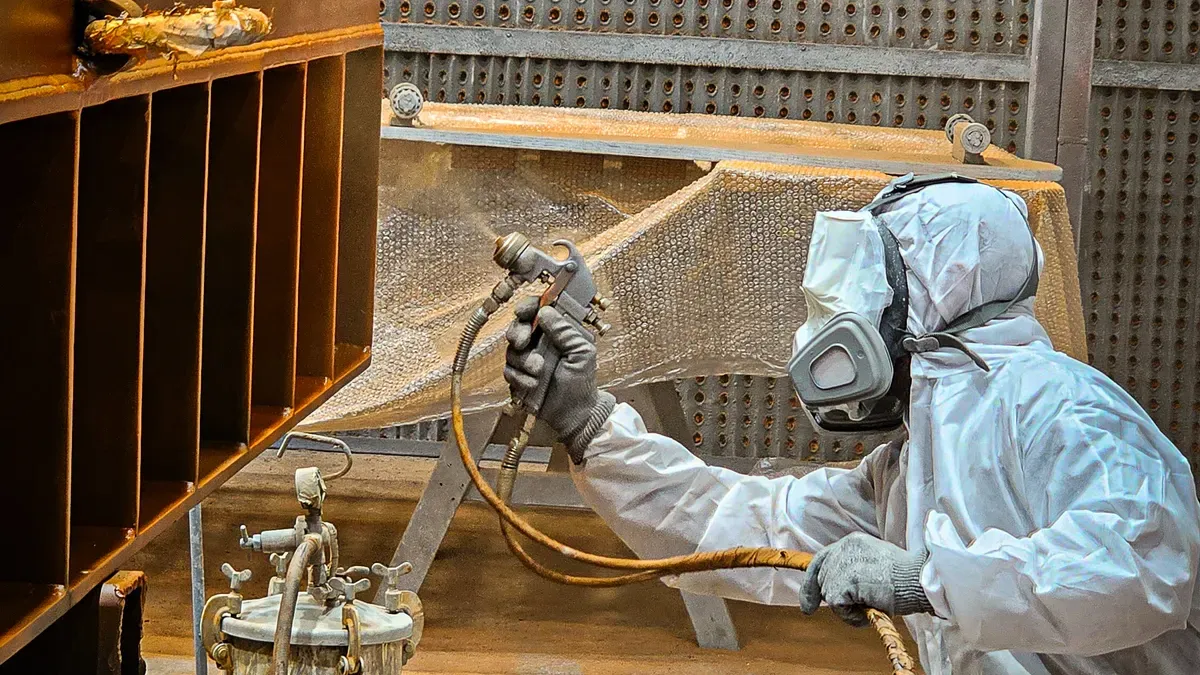
Modern industrial sectors require resilient binder systems for extreme conditions. Incorporating specialized liquid rubbers into resin matrices transforms traditional coating behavior. Modern industrial formulations frequently leverage the Applications of Epoxidized Hydroxyl‑Terminated Polybutadiene (EHTPB) in Modification of High‑Performance Materials to upgrade baseline physical and chemical properties.
Integrating EHTPB resins into various matrices significantly upgrades several key industrial performance metrics:
- Thermal and heat endurance
- Chemical and corrosion resistance
- Moisture barrier and water repellency
- Adhesive bond strength
- Electrical and dielectric insulation properties
- Volumetric stability (low shrinkage during curing)
- Post-cure structural hardness and mechanical strength
- Overall energy efficiency
Marine and Offshore Structure Coatings
Offshore oil platforms, shipping vessels, and submerged port structures face constant exposure to salt spray and wave impact. Steel surfaces degrade rapidly under these marine environments. Standard epoxy coatings often crack when heavy waves distort steel hulls. Formulators solve this problem by incorporating EHTPB into polyurethane and epoxy marine primers.
The polybutadiene chain acts as an internal shock absorber inside the cured coating network. The oxirane rings cross-link directly with ambient curing agents, while the liquid rubber backbone retains flexibility at freezing water temperatures. Water droplets cannot penetrate the dense non-polar hydrocarbon barrier. This strong moisture repulsion prevents rust formation at the metal interface. As a result, shipbuilders achieve long-lasting cathodic protection without sacrificing mechanical surface hardness.
Aerospace Structural and Thermal Barriers
Aerospace components endure rapid thermal cycles during high-altitude operations. Aircraft skin panels flex under atmospheric pressure shifts, causing rigid thermal barrier coatings to delaminate. The diverse Applications of Epoxidized Hydroxyl‑Terminated Polybutadiene (EHTPB) in Modification of High‑Performance Materials address these strain mismatches between metallic substrates and protective topcoats.
EHTPB improves the fracture toughness of aerospace sealants and thermal boundary layers. The dual-functional rubber reacts seamlessly into polyurethane thermal insulation matrices. The terminal hydroxyl groups build high molecular weight chains that resist vibrational fatigue. Meanwhile, the internal epoxy sites enhance cross-linking density to maintain high heat endurance during supersonic flight. Aircraft coatings modified with EHTPB maintain tight adhesion to aluminum and carbon-fiber composites during rapid temperature swings from -50°C to elevated operating levels.
Electronics Encapsulation and Chemical Linings
Printed circuit boards and delicate electronic assemblies require protection against moisture, dust, and corrosive industrial gases. Unmodified potting compounds often shrink during curing, which damages sensitive micro-components. The targeted Applications of Epoxidized Hydroxyl‑Terminated Polybutadiene (EHTPB) in Modification of High‑Performance Materials provide an ideal solution for electronic encapsulation and industrial storage tank linings.
The curing of EHTPB produces minimal volumetric shrinkage. This low shrinkage protects internal electrical circuits from mechanical crushing stresses during matrix polymerization. The cured polymer matrix delivers excellent dielectric insulation properties, blocking stray electrical currents in high-voltage transformers. For chemical storage linings, EHTPB-modified resins form an unreactive barrier against strong alkalis, solvents, and acidic wastewater. Factory operators rely on these modified linings to prevent chemical leakage and extend storage tank service lifetimes.
Comparative Analysis: EHTPB vs. Standard Polymers
EHTPB vs. Unmodified HTPB
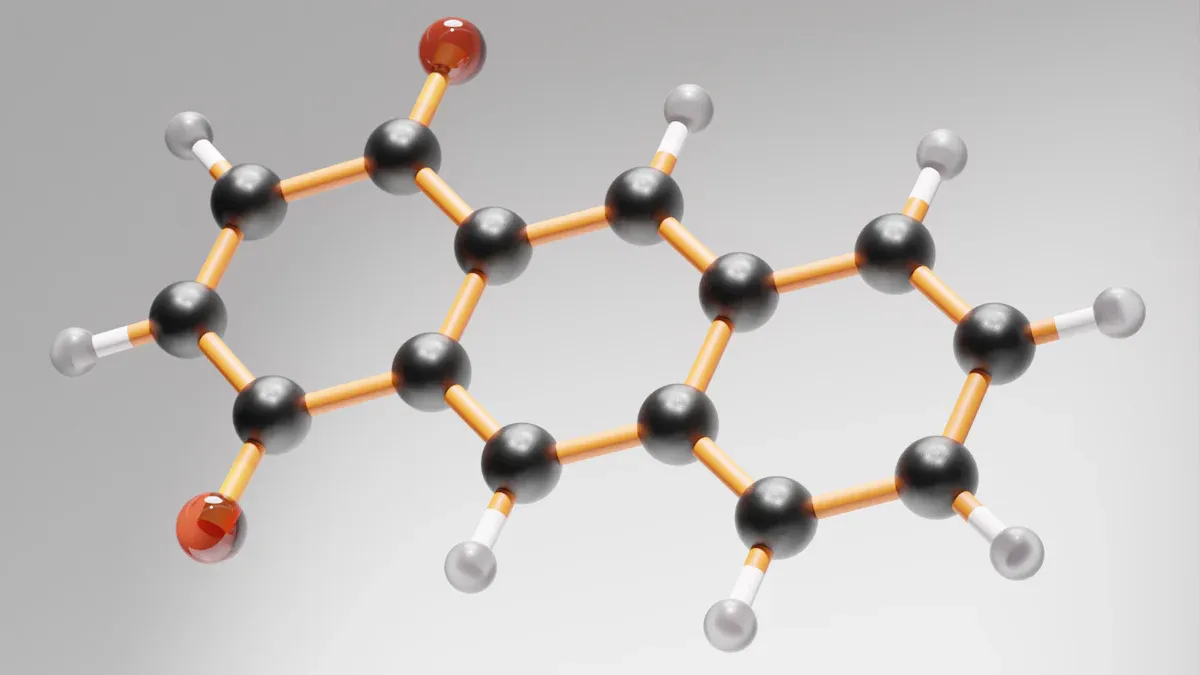
Epoxidized Hydroxyl-Terminated Polybutadiene (EHTPB) outperforms standard HTPB by adding active epoxy sites along the polymer chain. These extra reactive groups increase crosslinking density while preserving backbone flexibility. The chemical transformation enhances mechanical and protective performance significantly.
| Property | Effect of Epoxidation on HTPB | Underlying Mechanism / Note |
|---|---|---|
| Tensile Strength | Increases from lower to higher levels | Driven by enhanced polar interactions and modified polymer network structure |
| Elongation at Break | Improves from moderate performance | Result of optimized chain flexibility and structural backbone modification |
| Chemical Resistance | Overall enhancement | Introduced polar functional groups improve compatibility with polar additives and increase crosslinking density, boosting resistance to moisture and chemicals |
Formulators leverage these physical improvements during Applications of Epoxidized Hydroxyl‑Terminated Polybutadiene (EHTPB) in Modification of High‑Performance Materials to achieve superior durability.
EHTPB vs. Bisphenol A Epoxies
Bisphenol A epoxy resins provide high rigidity, but they suffer from brittleness under mechanical stress. EHTPB introduces a flexible polybutadiene rubber core that absorbs heavy physical impacts. This liquid rubber modification prevents premature matrix cracking. Furthermore, EHTPB cures with lower volumetric shrinkage than Bisphenol A systems. The low shrinkage reduces internal stress and maintains tight adhesion to smooth surfaces.
Key Metrics and Compliance Standards
Industrial testing verifies that EHTPB coatings meet strict ASTM and ISO 12944 performance targets for heavy-duty corrosion protection.
Coatings modified with EHTPB pass rigorous salt spray testing, flexibility mandates, and thermal cycling protocols. These verified chemical metrics ensure reliable operation across demanding industrial facilities.
Economic ROI and Asset Life-Cycle Value
Extended Maintenance Intervals
Asset owners face massive financial losses during unexpected maintenance shutdowns and structural repairs. Traditional protective coatings fail prematurely under severe environmental stress, requiring frequent recoating cycles. EHTPB-modified coatings solve this issue by forming a tough, hydrophobic barrier that repels water and prevents chemical corrosion. The flexible polybutadiene backbone absorbs mechanical impacts and thermal shocks, keeping the protective film intact over extended periods.
Industry data demonstrates that EHTPB modification doubles the service life of heavy-duty industrial coatings in corrosive environments.
Facility managers significantly lower total life-cycle costs by extending maintenance intervals. Industrial assets, such as offshore platforms, chemical storage tanks, and pipelines, remain operational for much longer periods. Reduced repair frequency directly decreases labor expenses, minimizes raw material consumption, and eliminates costly facility downtime.
Formulation Efficiency Gains
Coatings manufacturers achieve substantial cost savings during product synthesis and application. The dual-functional architecture of EHTPB allows chemists to optimize cross-linking density without adding expensive specialized tougheners. The resin cures smoothly with conventional isocyanates and standard epoxy hardeners, fitting seamlessly into existing industrial manufacturing lines.
- Low volumetric shrinkage minimizes coating defects and material waste.
- Accelerated curing kinetics increase production throughput on automated coating lines.
- Versatile standard grades simplify raw material inventory management for formulators.
These manufacturing advantages reduce total unit production costs while delivering premium coating performance. Formulators produce superior high-hardness, impact-resistant protective coatings at lower overall operational costs.
EHTPB dual-functional modification establishes a superior performance baseline for heavy-duty protective coatings in harsh environments. Combining epoxy reactivity with a flexible polybutadiene core eliminates the traditional trade-off between matrix hardness and low-temperature flexibility. Integrating EHTPB into high-performance resin formulations reduces long-term maintenance costs while significantly extending critical asset service life.
FAQ
How does EHTPB improve industrial coating performance?
EHTPB combines reactive terminal hydroxyls and internal epoxy rings. This dual-functional architecture increases cross-linking density, boosts solvent resistance, and maintains low-temperature flexibility.
What curing agents work best with EHTPB resins?
Formulators cure EHTPB seamlessly using standard isocyanates for terminal hydroxyl groups and conventional epoxy hardeners for internal oxirane rings.
What are the recommended storage conditions for EHTPB?
Operators store EHTPB in cool, dry areas between -20°C and 38°C. This proper handling maintains a stable shelf life of up to 12 months.